
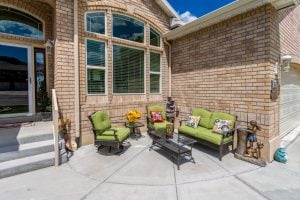
 Denver’s 55+ home buyers are increasingly choosing patio homes over traditional single-family houses. These single-level attached residences offer the space of a townhouse with the convenience of condo-style living. And they come without the maintenance burden of a large yard.
If you are considering a move to a smaller, more manageable home, working with a patio home realtor in Denver can simplify your search. The right agent knows which communities offer true patio homes and which listings match your lifestyle needs. This guide explains what makes these homes attractive and how to find the best options in the current market.
What Makes Patio Homes Popular in Denver?
Patio homes sit somewhere between a Denver condo and a detached house in terms of size and privacy. They are typically single-story attached homes arranged in small clusters or rows. Each unit has its own entrance, a private outdoor space, and often a small yard or patio area.
The appeal is straightforward. You get the square footage and privacy of a townhouse without the upkeep of a full property. Exterior maintenance, landscaping, snow removal, and roof repairs are handled by the homeowners association. This frees up time for travel, hobbies, and family.
For Denver home buyer prospects who are over 55, this trade-off makes sense. Many are selling a larger family home and want to simplify their lives. They do not want to spend weekends mowing lawns or cleaning gutters. A patio home offers a comfortable, secure space that feels like a house but functions like a lock-and-leave residence.
 Another factor is location. Patio homes in Denver are often built inside active adult communities or near shopping, medical centers, and public transit. Residents can walk to coffee shops, pharmacies, and parks without getting in a car. That walkability is a major draw for older adults who want to remain independent and connected.
The Denver housing market has seen steady demand for this product type since 2020. Builders have responded by adding more patio home neighborhoods to their master plans. Communities like Anthem Ranch in Broomfield and Heritage Todd Creek in Thornton now include patio home sections alongside their single-family offerings.
Why Work with a Patio Home Realtor in Denver?
Not every realtor understands the 55+ patio home niche. A general agent may show you every attached home on the market, including units with stairs, second-floor bedrooms, or shared walls that do not offer the privacy you want. A specialist saves you time by filtering out properties that do not match the patio home criteria.
An experienced Denver patio home realtor who focuses on active adult communities knows the inventory. They track patio home listings across the metro area, from Castle Rock to Broomfield. They also know which communities allow pets, which have age restrictions, and which include utility costs in the HOA fee.
These details matter. Some patio home communities require one resident to be 55 or older. Others allow younger residents if at least one occupant meets the age requirement. A local agent who works with 55+ buyers every day knows these rules and can steer you toward communities where you qualify.
 Beyond listings, a patio home realtor in Denver can help you evaluate the financial side. HOA fees vary widely. Some cover only trash and landscaping. Others include cable, internet, exterior insurance, and access to a clubhouse or fitness center. Your agent can break down the monthly costs so you compare homes on total expense, not just the purchase price.
This kind of guidance is valuable in a competitive market. When a well-priced patio home hits the market, it may receive multiple offers within days. Denver home buyer clients who are pre-approved and working with a knowledgeable agent have a better chance of getting their offer accepted.
Understanding the Denver Housing Market for Patio Homes
The Denver housing market has cooled slightly from the peak of 2021-2022, but patio homes remain in high demand. Inventory is limited because few owners list their units. Many residents move in and stay for years, sometimes decades. When a patio home does come to market, it often sells quickly.
Prices vary by location and community. A patio home in a premium 55+ community near downtown Denver may list for $700,000 or more. In suburban areas like Aurora or Thornton, the same square footage may cost between $400,000 and $550,000.
Buyers should also consider the age of the community. Newer developments often have modern floor plans with open layouts, large windows, and energy-efficient appliances. Older communities may offer larger lots and mature landscaping. Each has trade-offs. A Denver property search that includes both new and established communities gives you the widest range of options.
One trend to note is the rise of attached ranch-style homes built as quad-plexes or six-plexes. These function like patio homes but share a single roofline with neighboring units. They offer the same single-level living and low-maintenance living Denver residents look for, often at a lower price point than a standalone patio home.
If you are selling a patio home, the current market works in your favor. Limited supply means motivated buyers are actively searching. Pricing your home competitively and staging it well can lead to a quick sale with multiple offers.
How to Find Patio Home Listings in Denver
Start with a targeted online search for 55+ homes for sale. Use real estate platforms that allow you to filter by property type, HOA fee, and square footage. Look for terms like “patio home,” “ranch home,” and “single-level attached.” These will surface the right results faster than a general Denver property search.
Work with a local agent who can set up automated alerts. When a new patio home listing appears, you want to see it the same day. In a market where good listings go pending in a week, speed matters.
Visit communities in person. Drive through neighborhoods you are considering. Talk to residents. Ask about noise levels, HOA responsiveness, and how the community handles maintenance requests. These conversations reveal details no listing description can capture.
Compare HOAs carefully. Request the governing documents, budget, and meeting minutes before making an offer. Look for a healthy reserve fund and a history of reasonable fee increases. A poorly managed HOA can turn a great home into a financial burden.
For buyers relocating from outside Colorado, consider working with an agent who offers virtual tours and video walkthroughs. Many 55+ buyers are moving from other states to be closer to family in Denver. A Denver patio home realtor who provides remote services can help you evaluate properties without traveling every weekend.
Frequently asked questions
What is the difference between a patio home and a townhouse in Denver?
A patio home is a single-story attached unit with its own entrance and private outdoor space. A townhouse typically has two or three floors and shares more walls with neighbors. Patio homes appeal to buyers who want single-level living and cannot manage stairs.
Are patio homes in Denver age-restricted?
Some are and some are not. Many patio homes are located in 55+ communities that require at least one resident to be 55 or older. Others sit in general neighborhoods with no age restriction. Your agent can help you identify which listings match your age eligibility needs.
What HOA fees should I expect for a Denver patio home?
Fees typically range from $200 to $500 per month. The amount depends on what is covered. Basic fees include landscaping and snow removal. Higher fees add cable, internet, trash, water, and access to amenities like a pool or clubhouse.
How long does it take to sell a patio home in Denver?
Well-priced patio homes in desirable communities often sell within one to three weeks. Units in popular 55+ neighborhoods can go under contract in a matter of days, especially in spring and summer when buyer activity peaks.
Can I buy a patio home in Denver if I am under 55?
It depends on the community. In age-restricted 55+ communities, at least one occupant must meet the age requirement. In non-restricted neighborhoods, there is no age limit. Always verify the occupancy rules before making an offer.